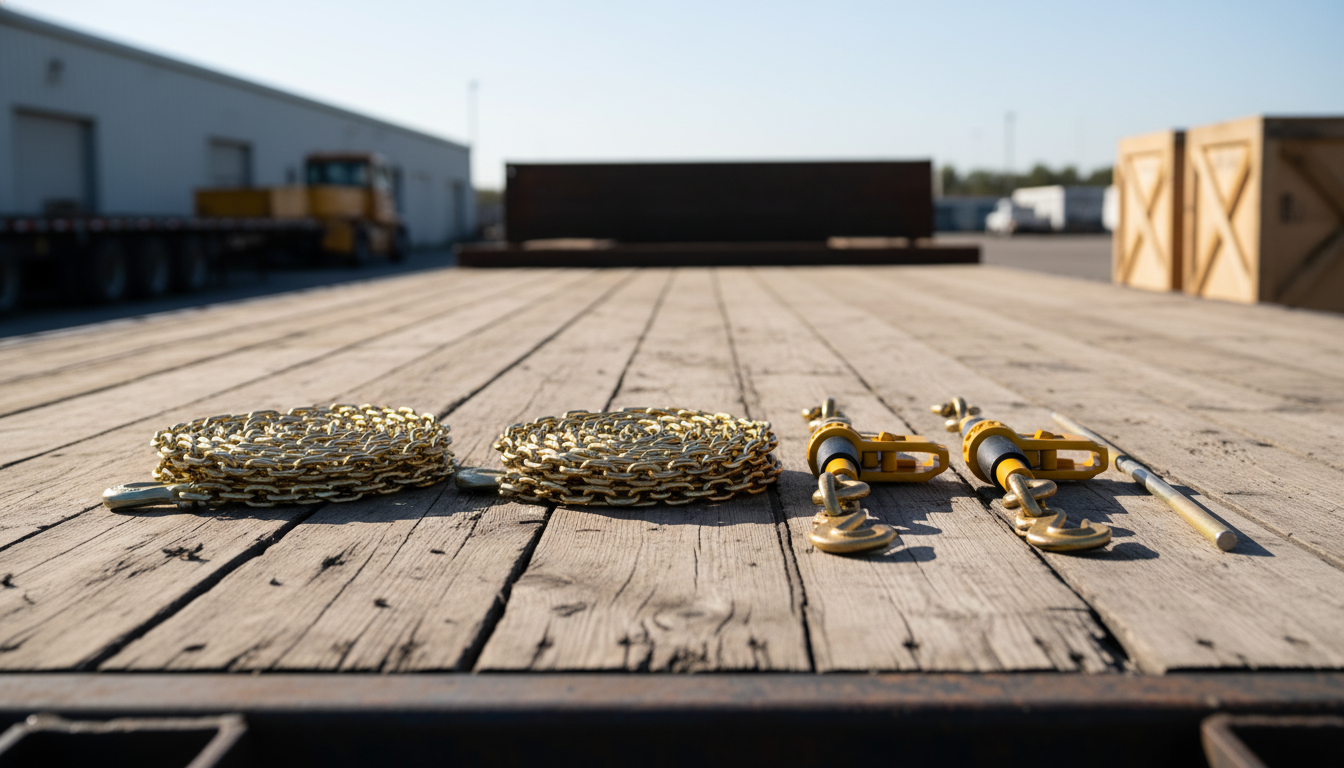
A ratchet chain binder set is built for tightening transport chain quickly and holding tension during hauling, towing, and equipment transport. Instead of relying on “good enough” tightening methods, a ratchet binder applies controlled mechanical take-up so a load can be secured with repeatable, measurable tension. Below is a practical guide to what a heavy-duty ratchet-style binder does, when it’s the right choice over lever binders, what to check before buying, and how to use and maintain the set for dependable service.
Ratchet chain binders (also called ratchet load binders) are designed to pull slack out of transport chain and keep constant tension on cargo. They’re commonly paired with rated transport chain and hooks on equipment trailers, flatbeds, and haulers where heavy loads need a secure, vibration-resistant tie-down.
Because the ratcheting action builds tension gradually, it’s easier to “dial in” tightness without overshooting. That precision matters when balancing multiple tie-down points—tightening one side too aggressively can shift a machine slightly and reduce the effectiveness of the rest of the securement.
Lever binders can be fast, but ratchet binders tend to shine when control and predictable release are priorities. A heavy-duty ratchet binder set is especially useful when tie-down work is frequent, loads are valuable, or the job site expects a more methodical securement approach.
Ratchet binders are also handy in tighter trailer spaces where incremental tightening helps you work around fenders, rails, and attachments without needing a big swing arc for a handle. When it’s time to unload, the controlled back-off reduces the “surprise” factor that can happen if a system is highly preloaded.
Not all binders, hooks, and chains work together safely. Before ordering a set, confirm each component’s rating and physical compatibility so the system seats correctly and stays within limits.
| Check | Why it matters | What to confirm |
|---|---|---|
| WLL matches the job | Prevents overload and improves compliance | Binder WLL, chain grade/WLL, hook rating |
| Correct chain size | Ensures proper seating and safe engagement | Chain diameter range listed for the binder |
| Hook style fits anchor points | Reduces slipping and improves positioning | Grab vs. slip hook; latch or no-latch |
| Enough adjustment range | Avoids running out of take-up | Ratchet travel and chain length planning |
| Release control | Makes unloading safer and smoother | Ratchet release mechanism and handle clearance |
For regulatory and safety context, review the FMCSA Cargo Securement Rules and general safe handling guidance from OSHA – Material Handling. For background on Working Load Limit and chain grades, the NACM is a helpful reference point.
A binder set is only as safe as its condition, setup, and rating match. Build a routine: inspect, connect correctly, tighten evenly, and release deliberately.
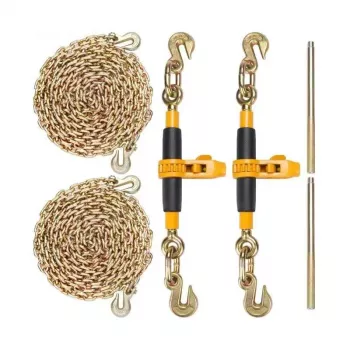
The Heavy-Duty Ratchet Chain Binder Set is designed for controlled tightening and dependable tensioning in transport-chain applications. It’s a strong fit for equipment-hauling workflows where incremental ratchet take-up helps keep loads stable and makes unloading more predictable.
If you prefer a structured approach to prep and follow-through, the Nature-Powered Fitness Checklist – Outdoor Workout Planner & Daily Habit Tracker can be repurposed as a simple habit-tracker format for pre-trip walkarounds, inspection reminders, and post-haul maintenance notes.
Ratchet binders allow gradual tensioning and controlled release, which can reduce sudden kickback risk. Both styles can be safe when they’re used correctly, kept in good condition, and kept within their rated limits.
The tie-down system is limited by the lowest Working Load Limit among the binder, chain, hooks, and anchor points. Match component ratings and verify WLL markings so no single part becomes the weak link.
Inspect binders and chain before each use, with periodic more detailed checks for wear. Replace gear if you see bent handles, cracked welds, damaged or worn ratchet components, stretched links, hook throat spread, or heavy corrosion.






Leave a comment