HomeBlogBlog250W Portable Bluetooth Speaker: Bass, Waterproof, Party-Ready

250W Portable Bluetooth Speaker: Bass, Waterproof, Party-Ready

250W Portable Bluetooth Speaker: Bass, Waterproof, Party-Ready

Portable 250W Bluetooth Speakers: Power, Bass, and Waterproof Confidence

A portable speaker needs to do more than get loud—it has to stay clear at higher volumes, deliver satisfying low-end, and keep playing when the weather or water splashes show up. This guide breaks down what matters most in a powerful waterproof Bluetooth speaker, how to set it up for the best bass, and where it fits best: backyard parties, beach days, garage workouts, or travel.

What makes a 250W portable speaker feel powerful

“250W” can hint at serious output, but the reason a speaker feels powerful is usually a combination of clean volume, impactful bass, and reliable playback—especially when listening outside.

  • Clean headroom at real listening levels: The most impressive speakers stay composed when the volume goes up. If the sound gets harsh, thin, or distorted, it won’t feel powerful for long—even if the spec sheet looks big.
  • Bass impact is more than wattage: Enclosure design, driver tuning, and how the speaker manages low frequencies all shape the “hit” you feel. Placement and EQ can also dramatically change perceived bass.
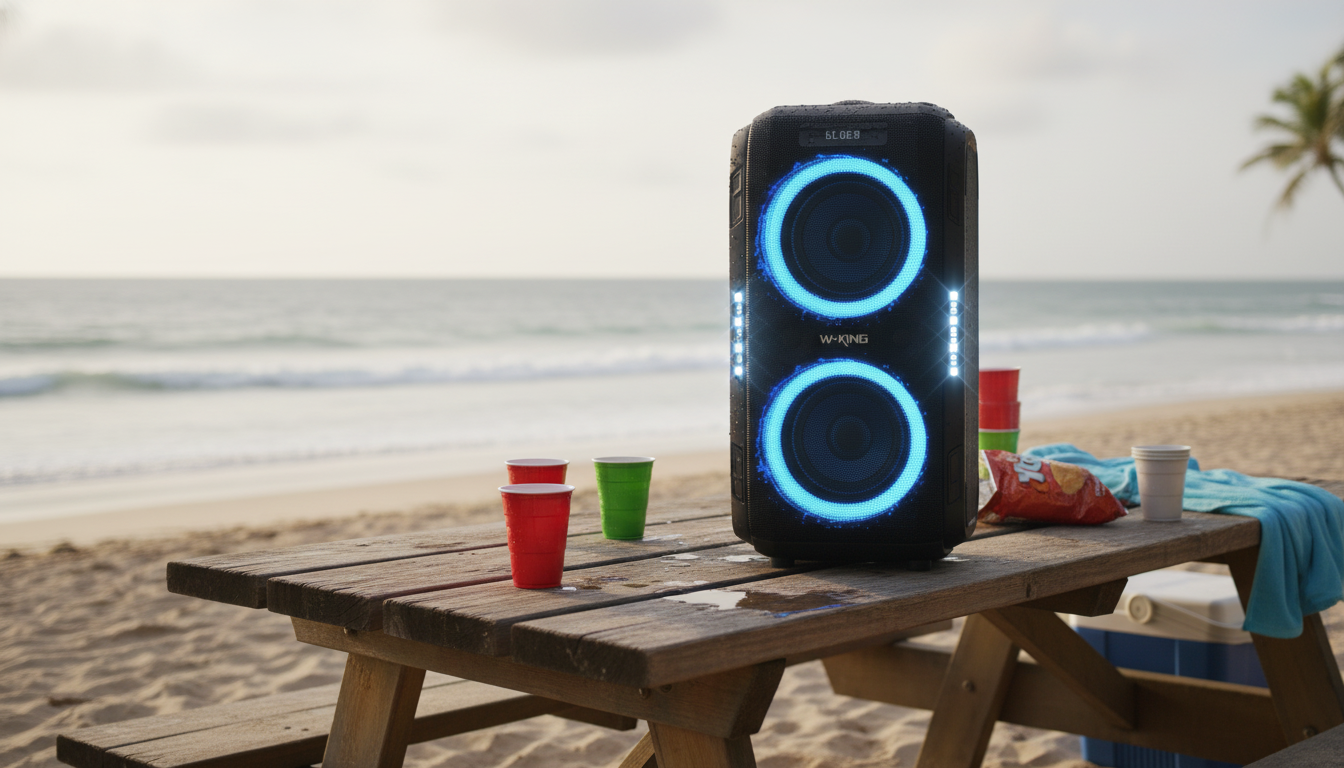
  • Outdoor listening needs extra output: In open air (beach, parks, tailgates), music competes with wind, chatter, and traffic noise. Higher output helps maintain presence and punch. Indoors, that same power translates to more dynamics at moderate volume.
  • Bluetooth stability affects “power” too: Dropouts and stutters can make a capable speaker feel weak. Solid wireless performance matters at party distances and through walls. For background on Bluetooth behavior and profiles, see the Bluetooth Core Specification (Bluetooth SIG).

Waterproof design: where it helps and what to check

Waterproofing is about peace of mind: you’re less worried about a sudden rain shower, pool splashes, or a damp patio table. It also tends to pair well with rugged builds that handle outdoor use.

  • Best places for waterproof speakers: Pool decks, boats, patios, kitchens, and campsites—anywhere splashes and moisture are routine.
  • Look closely at ports and controls: The weak point is often the charging area. A well-sealed flap or protected port design reduces the risk of intrusion.
  • Dry before charging: Even with water protection, it’s smart to wipe down the exterior and ensure the port area is fully dry before plugging in.
  • Sand and dust can undermine seals: If used at the beach or in a workshop, wipe around seals and port covers so debris doesn’t prevent a proper closure. For a clear explanation of IP ratings, refer to the IEC 60529 Degrees of Protection (IP Code) overview.

At-a-glance: features that matter for outdoor bass and durability

Match features to how the speaker will actually be used—pool days, travel, tailgates, or workouts. In larger outdoor spaces, prioritize output and bass; for travel and small hangouts, prioritize portability and quick setup.

Quick checklist for choosing the right setup

Need Why it matters What to look for
Deep bass outdoors Open air reduces perceived low-end High power, bass-forward tuning, stable placement near a wall when possible
Poolside peace of mind Splashes and humidity are constant Waterproof construction, protected ports, easy-to-clean exterior
Party-ready volume Ambient noise competes with music Strong headroom, clear mids/treble at higher levels
Simple phone pairing Fast starts prevent connection frustration Reliable Bluetooth pairing and quick reconnect behavior
Easy carrying Larger power often means larger size Comfortable handle/portable form, sensible control layout

Getting the best bass: placement and settings

Everyday use scenarios: where this kind of speaker shines

Care and longevity tips for a waterproof portable speaker

  • Clean after chlorine or salt exposure: Rinse (if appropriate for the model) or wipe the exterior after pool or ocean use, then dry thoroughly with a soft cloth.
  • Avoid charging while wet: Water near the charging area can cause problems even with a rugged design. Let port covers, seals, and the surrounding surface dry completely first.
  • Store cool and dry: Avoid leaving it in a hot car where heat can shorten battery lifespan. For battery-friendly habits, see Battery University’s guidance on prolonging lithium-based batteries.
  • Use sensible volume for long sessions: Sustained maximum output increases heat and drains the battery faster. For day-long playback, a slightly lower level often sounds cleaner and lasts longer.

Product spotlight

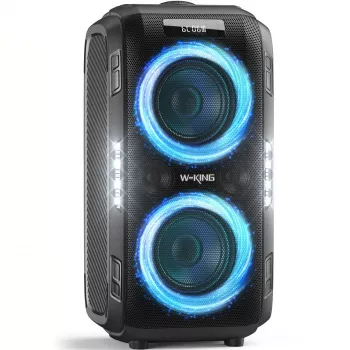
If the goal is big sound in a portable format with water-ready confidence, the Portable 250W Bluetooth Speaker with Powerful Bass and Waterproof Design is built for high-energy listening in backyards, patios, and on-the-go setups. It’s a strong match for listeners who want impactful bass and the freedom to use a speaker around splashes and unpredictable weather.

To round out an active outdoor setup, consider the Nature-Powered Fitness Checklist – Outdoor Workout Planner & Daily Habit Tracker for planning sessions where portable, high-output audio keeps momentum high.

And if the speaker is pulling double-duty indoors (like a playroom or family space), the Creative Kids’ Room Decorating Made Easy (Printable eBook) can help organize a room layout where a stable speaker spot and clutter-free surfaces improve day-to-day usability.

FAQ

Will a waterproof Bluetooth speaker still sound good after getting splashed?

Yes—waterproof designs are built for splashes and rain, but sound can seem slightly muted if water is sitting on the grille. Once the water drains and the exterior dries, clarity typically returns; always dry the speaker before charging.

How can bass be improved outdoors without changing the speaker?

Place it on a firm surface and move it near a wall or corner to reinforce low frequencies, then make small EQ adjustments if available. Avoid burying it in soft sand or resting it on thick blankets that absorb punch.

Does higher wattage always mean louder or better sound?

No—wattage can contribute to headroom, but perceived loudness and sound quality depend on driver design, tuning, and how well distortion is controlled. The real test is whether the speaker stays clear and full as volume increases.

Was this article helpful?

Yes No
Leave a comment
Top

Shopping cart

×