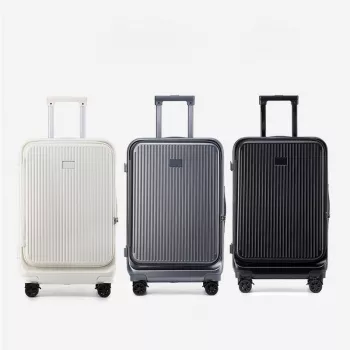
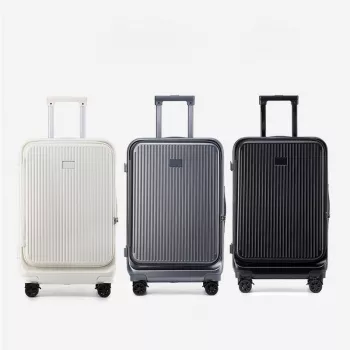
A compact carry-on suitcase can save time at security, make gate checks less stressful, and keep essentials reachable during transit. This 20-inch rolling trolley design pairs a front-opening compartment for quick access with a built-in password lock for added peace of mind, aiming to balance organization, mobility, and day-to-day durability for short trips and frequent travel. For more guidance, see 9 Biggest Under-Seat Luggage and Personal-Item Bags – AARP.
For travelers who like to keep “work mode” and “weekend mode” separated, a front-opening carry-on can make the difference between a smooth boarding process and a hectic last-minute scramble. For further reading, see Lekespring Rolling Briefcase 17.3 Inch Laptop Bag with Wheels ….
A front-opening layout creates a dedicated “grab zone” for travel essentials without unpacking clothing. That simple change can streamline the moments that tend to feel cramped—security lines, boarding lanes, rideshares, and tight aisle seats.
| Area | Best for | Packing tip |
|---|---|---|
| Front opening | Laptop/tablet, documents, chargers, earbuds, travel wallet | Use slim pouches to keep small items from shifting |
| Main compartment | Clothing, shoes, toiletries bag, packing cubes | Compress with cubes and keep shoes in a separate bag |
| Quick-access pocket (if available) | Boarding pass, phone cable, lip balm, hand sanitizer | Avoid overstuffing to keep zippers smooth |
A built-in password lock is a practical layer for everyday travel: it helps deter casual access and keeps zippers secured while the bag is handled. It’s especially useful in hotel luggage rooms, shared closets at events, or busy transit hubs where bags are frequently moved.
For U.S. airport screening context, see TSA: Locks and Luggage.
A 20-inch suitcase is a popular choice for carry-on travel and short stays because it encourages efficient packing and can help you skip baggage claim. Even so, airline limits vary by carrier and route, and measurements typically include wheels and handles—always confirm the specific airline’s posted maximums. For general guidance, IATA baggage guidelines are a helpful reference point.
| Trip length | Suggested packing approach | Common add-ons |
|---|---|---|
| 1–2 nights | 1–2 outfits + one spare top, compact toiletry kit | Foldable tote for day use |
| 3–4 nights | Capsule wardrobe, one versatile shoe, layered outerwear | Laundry bag, travel steamer (mini) |
| 5+ nights | Plan rewears, pack cubes, consider doing laundry | Personal item backpack for overflow |
Rolling performance matters most when your route includes uneven sidewalks, station platforms, curb cuts, and hotel carpeting. A sturdy telescoping handle should extend and lock with confidence—no side-to-side wobble that transfers strain to your wrist over a long concourse walk.
Most built-in combination locks start on a default code (commonly 0-0-0). With the lock open, locate the reset button or lever, hold it in the reset position, choose your new code, then return the button/lever to confirm. Test the new code a few times before you travel and store it securely.
Many airlines accept a 20-inch suitcase as a carry-on, but size rules vary by airline, aircraft, and route. Check your airline’s published maximum carry-on dimensions and confirm that measurements include wheels and handles to avoid a surprise gate check.
Use the front-opening section for items you’ll need in transit—electronics, documents, chargers, and small essentials—so you can grab them quickly. Reserve the main compartment for clothing, shoes, and a toiletry kit, ideally organized with packing cubes. Add pouches and sleeves to prevent shifting and protect fragile items.






Leave a comment