-
Shop
- Adidas
- Advanced Technologies
- AI Skills Mastery 2026 Collection
- Beauty
- Best-Sellers
- Calvin Klein
- Car Accessories
- Confidence
- Dating & Social Skills
- Denim
- 7FOR
- AGOLDE
- Antony Morato
- Armani Exchange
- Boss
- Brunello Cucinelli
- Calvin Klein Jeans
- Costume National
- Desigual
- Diesel
- Dolce & Gabbana
- Dsquared²
- Ermanno Scervino
- Fendi
- Gianni Lupo
- Guess Jeans
- Ichi
- Just Cavalli
- Lee
- Levi's
- Liu Jo
- Morgan De Toi
- Mother Denim
- Only
- Pepe Jeans
- Pinko
- Replay
- Tommy Hilfiger Jeans
- Valentino
- Vero Moda
- Digital Resources
- AI Skills
- Car Buying & Ownership
- Cozy Feast Collection
- Electronics & Technology
- Financial Education
- Hobbies
- Home Styling & Organization
- Mindfulness
- Online Business
- Parenting & Child Development
- Pet Lifestyle & Wellness
- Positive Thinking
- Sleep Improvement
- Smart Life with AI
- Stress Management & Relaxation
- Travel Planning
- Yoga & Fitness
- Yoga & Mind-Body Practices
- Education & Learning
- Family & Parenting
- Fashion
- Find Your Path Collection
- Furniture
- Gadgets
- Health & Beauty
- Health & Wellness
- Home & Garden
- Kids & Babies
- Kitchen
- Kitchen Best-Sellers
- Lighting
- Nike
- Parenting Guides Collection
- Patio, Lawn & Garden
- Personal Growth
- Personal Style & Fashion
- Pet Care
- Pet Supplies
- Pets
- Smart Home Living Guides
- Sport & Outdoors
- Travel
- Travel & Adventure
- Wealth
- Wealth Building
- Budgeting & Saving
- Cryptocurrency Investing
- Debt Management
- Entrepreneurship & Business Growth
- Family Finance & Budgeting
- Financial Independence
- Financial Mindset & Psychology
- Financial Planning
- Frugal Living & Expense Hacks
- Goal Setting
- High-Income Skills
- Investing Basics
- Leadership
- Networking & Mentorship
- Passive Income Strategies
- Real Estate Investing
- Side Hustles
- Stock Market Investing
- Wellness
- Winter Fashion
- Women’s Wellness & Lifestyle
HiFi Wired Earphones w/ Mic: Budget Sound & Calls
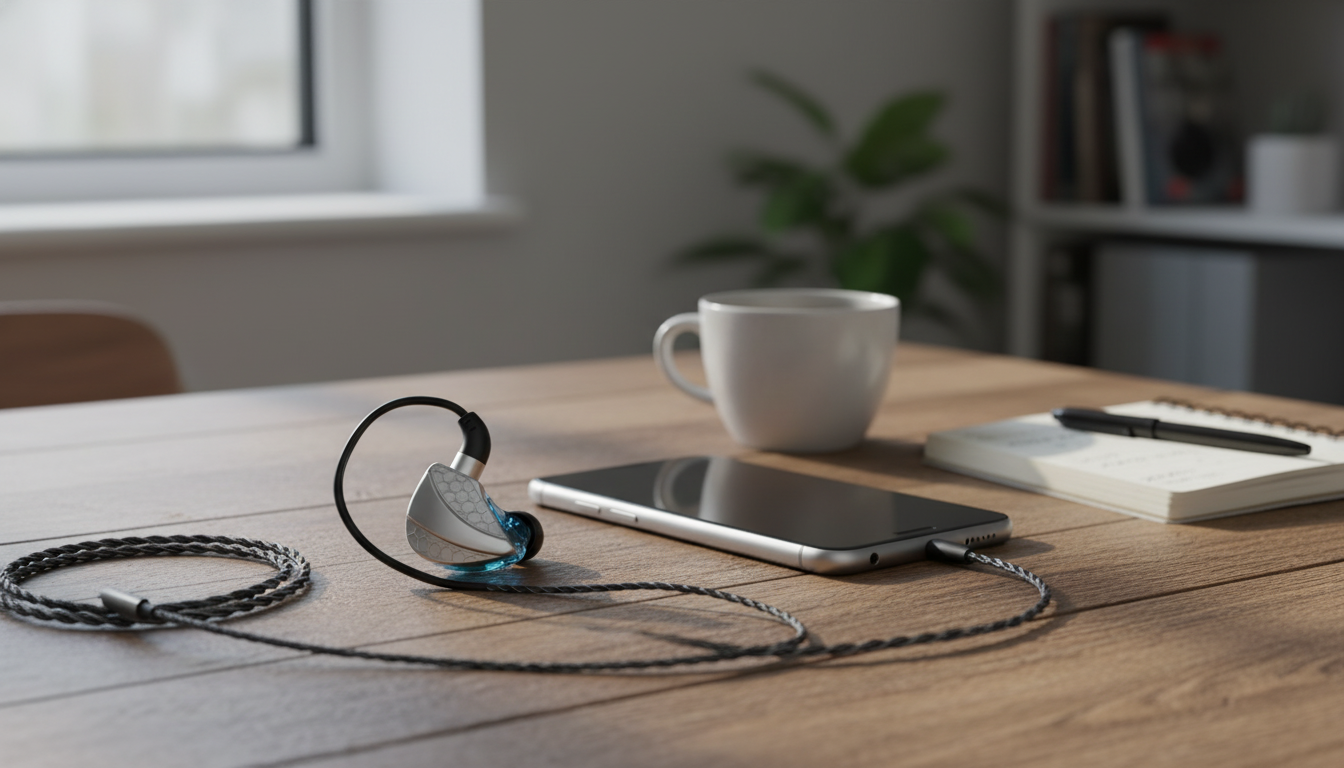
HiFi Wired Earphones with Mic: Clear Sound and Reliable Calls on a Budget
Wired earphones remain a practical choice for everyday listening because they deliver stable audio without charging, pairing, or wireless dropouts. HiFi wired earphones with a built-in mic are especially useful for commutes, remote classes, casual gaming, and hands-free calls—while staying lightweight and affordable.
What “HiFi” Means for Wired Earphones
On budget wired earphones, “HiFi” usually points to tuning choices meant to make music and voices sound more defined at normal listening volumes. That can translate into clearer detail, stronger left/right separation, and less harshness when you’re not pushing volume to the limit.
Fit matters as much as the hardware. A good seal in the ear canal typically boosts bass presence and stabilizes the overall balance, while a loose fit can make audio feel thin and uneven. If sound seems “off,” reseating the earbud often fixes it faster than changing any settings.
Wired playback also avoids common Bluetooth trade-offs like compression and latency. That can help with video sync (lip movements matching dialogue) and with monitoring your own voice on calls. Keep in mind that your phone’s adapter—or the quality of its built-in headphone port—can influence the final result as much as the earphones do.
Mic and Remote Controls: What to Expect
An inline microphone is built for quick calls, voice notes, and meetings without needing to hold the phone. It’s a simple convenience that can make commuting, studying, and multitasking feel easier.
Remote buttons commonly handle play/pause and call answer/end. Some devices also support volume and track skipping, but that depends on wiring and how your phone or laptop interprets the control signals. If controls don’t respond, the earphones may be fine—the adapter or device may not support the same remote standard.
Call quality is affected by mic placement, wind noise, and cable rub against clothing. For more consistent clarity, keep the mic module on the same side each time and avoid burying it under scarves, jacket collars, or hoodies.
Comfort, Fit, and Isolation
Comfort depends on earbud shape, ear canal sensitivity, and how securely the buds stay in place over time. A stable fit isn’t just about convenience—it often reduces the need to turn volume up, since a properly seated earbud delivers fuller sound at lower levels.
A secure seal improves bass and blocks some ambient noise. That’s helpful in offices, classrooms, or on public transit where background sound can otherwise wash out detail. If one side feels loose, gently rotate and reseat it; uneven fit can make the sound feel unbalanced between left and right.
For commuting, moderate isolation can be useful, but situational awareness still matters in traffic, at crosswalks, and in crowded stations.
Device Compatibility and Connectors
Quick compatibility checks
| Device setup | What usually works | What may need an extra accessory |
|---|---|---|
| Phone with 3.5 mm headset jack | Audio + mic + basic remote (varies by OS) | None |
| Phone with USB-C only | Audio (and sometimes mic) via USB-C adapter | A compatible USB-C audio adapter that supports mic/remote |
| iPhone with Lightning only | Audio via Lightning adapter | Lightning adapter that supports headset mic/controls |
| PC with single combined headset port | Audio + mic | None |
| PC with separate headphone/mic ports | Audio only (if plugged into headphone port) | Headset splitter (TRRS to dual TRS) |
If the mic works but the buttons don’t (or the other way around), adapter compatibility is a common culprit. For Apple devices, it’s worth checking adapter support details via Apple Support. For USB-C audio behavior, the USB Implementers Forum (USB-IF) offers background on USB standards that influence how devices negotiate audio accessories.
Everyday Use: Commuting, Work Calls, and Gaming
Care, Durability, and Safe Listening
For hearing health, lower volumes for longer sessions are typically safer than high volumes for short bursts. A better seal helps you listen comfortably without cranking volume in noisy places. For general guidance, see the World Health Organization’s safe listening resources.
Product Snapshot: HiFi Wired Earphones with Mic
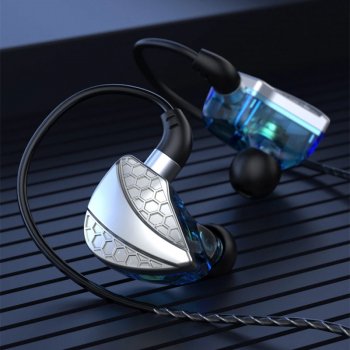
If you want a simple, low-cost wired option for day-to-day listening and hands-free calls, HiFi Wired Earphones with Mic keep things straightforward. They’re also useful as a backup pair for travel, a desk drawer, or any device that still supports wired audio (or can use a compatible adapter). The current listed price is $5.97 (USD), and availability is shown as in stock.
At-a-glance
| Item | Detail |
|---|---|
| Product | HiFi Wired Earphones with Mic |
| Price | $5.97 USD |
| Availability | In stock |
| Best for | Calls, commuting, backups, wired listening without charging |
Small Add-Ons That Pair Well With Daily Listening
- Nature-Powered Fitness Checklist – Outdoor Workout Planner & Daily Habit Tracker for keeping walks, runs, or outdoor workouts organized while you listen.
- Diesel Women’s Uncovered Sweatshirt as an everyday layer for commutes or travel days when you’re likely to take calls on the go.
FAQ
Do wired earphones with a mic work with all phones?
They work with most phones, but compatibility depends on the connector. Phones with a 3.5 mm headset jack usually support audio and a mic, while USB-C or Lightning phones typically need a compatible adapter that supports headset mic and controls.
Why does the microphone sound muffled or quiet?
Mic placement and obstructions are common causes—clothing rub, wind outdoors, or a scarf covering the mic can make voices sound muted. If possible, reposition the mic module and test on another device or adapter to rule out compatibility issues.
How can sound quality improve without changing earphones?
Start with fit: a better seal often improves bass and clarity immediately. Cleaning the earphone grilles, trying a different adapter/DAC, and using gentle EQ tweaks (avoiding extreme boosts) can also improve perceived balance.
Recommended for you


Was this article helpful?
Yes
No









Leave a comment